
The moment a stranger encounters your brand for the first time, in the industry, we call this an initial touchpoint.
It could be a sponsored post, a search result, or a sticker on a laptop, but at its heart, a touchpoint is any point of contact between a buyer and a seller.
While it sounds technical, the logic is simple:
The better the first touchpoint, the higher the likelihood of a conversion.
When we treat touchpoints as strategic opportunities, we see a direct impact on ROI. If the messaging is off, you’re not just losing a click; you’re wasting the budget it took to get that person’s attention.
First, There Was a Map
Before we even think about what to say, we have to know where our audience is standing. It’s about figuring out the hurdles your customers are jumping over before they even know you exist.
When you map the journey, you stop guessing and start knowing. You identify those “knowledge gaps” where people are looking for a guide.
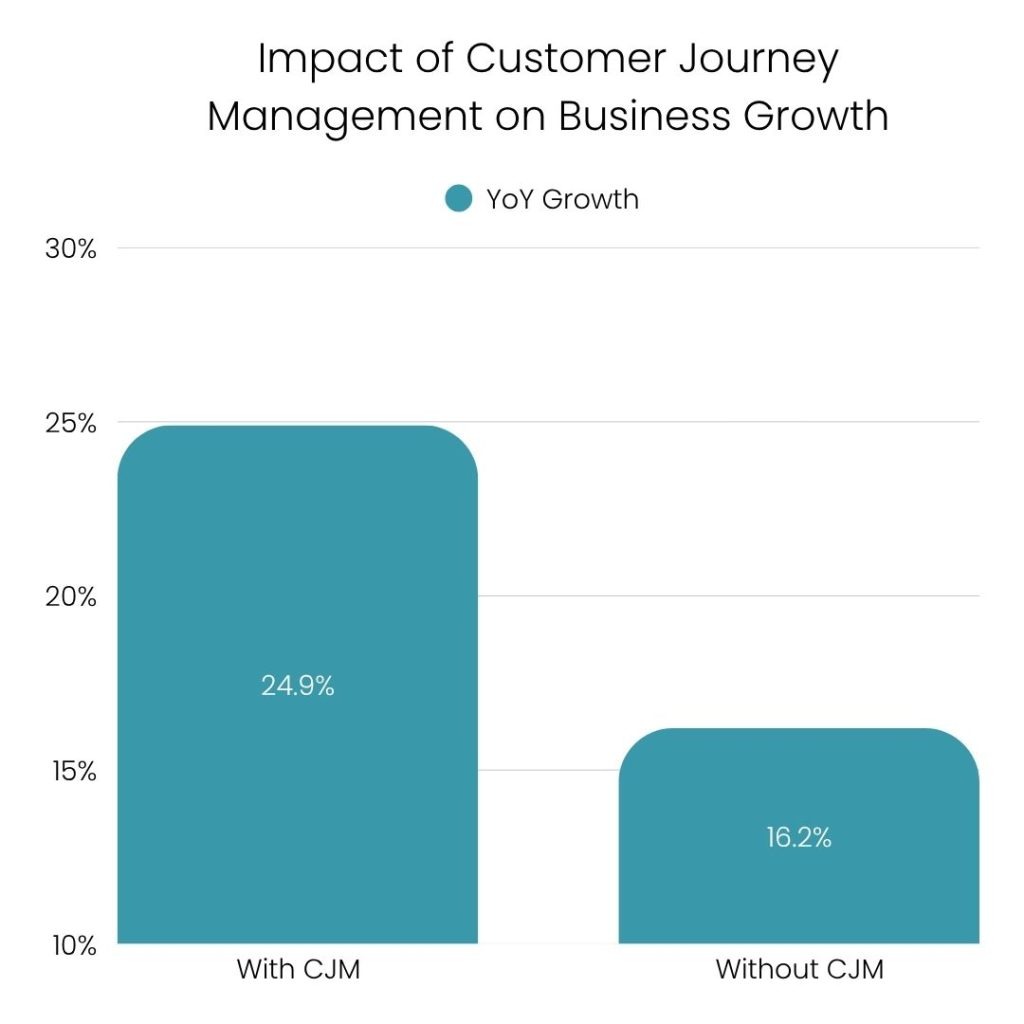
Most people aren’t looking to be sold to; they’re looking to be helped. The true ROI of a business is hidden just within those value-adds and educations. Based on Aderdeen Group’s research in 2025, businesses with customer journey management saw an average of 24.9% YoY growth, versus 16.2% of those without.
Usually, this follows the 3-stage model or a similar funnel:
- Awareness: “I have a problem, but I don’t know who you are.”
- Consideration: “I know who you are, and I’m comparing you to others.”
- Decision: “I’m ready to buy; give me a reason to pick you.”
Mapping out the customer journey helps you identify these gaps – and as a business, you need to find and address them consistently.
Where the Journey Meets the Stack
Once you have the map, the touchpoints and platforms start to reveal themselves. You don’t have to force a presence on every platform; you just have to be where the journey naturally flows.
A strategic approach means letting the user’s behaviour dictate the channel. We usually decide the channel based on Passive vs. Active discovery.
| Channel Type | Customer Mindset | Best For… |
| Search (SEO/SEM) | Active: They are looking for a solution right now. | Problem-solving products or high-intent services. |
| Social (Meta/TikTok) | Passive: They are looking for entertainment and happen upon you. | Visual products, lifestyle brands, and “impulse” solutions. |
| Professional (LinkedIn) | Contextual: They are in “work mode” and looking for ROI/Growth. | B2B services, SaaS, and thought leadership. |
If your audience is looking for deep-dive tutorials, a long-form blog post is a better bridge than a flashy ten-second ad.
Pro Tip
If your product solves a specific “pain” people search for (e.g., “clogged drain”), prioritise Search. If your product creates a “desire” people didn’t know they had (e.g., “a cooler looking water bottle”), prioritise Social.
Finding the Right Messaging For Your Front
Now, let’s talk about the message itself. This is where you get to be genuine. Your first message shouldn’t be a pitch; it’s a “Value Deposit.” You are proving you are knowledgeable before you ask for something in return.
The most important thing to remember is context. If someone finds you through a specific search, your message should be the direct answer to that search.
- Be Approachable: Skip the jargon. If you wouldn’t say it over coffee, don’t put it in an ad.
- The Value-First Approach: What can you help them with in the next 30 seconds?
- Stay Fun: Professionalism doesn’t have to be boring. A little wit goes a long way in making a brand feel personal and approachable.
At the end of the day, marketing is just the process of proving you’re a partner worth having. If you start with a message that is as helpful as it is smart, you’re starting a conversation that lasts into the long-term growth of the business.